
Walking into an eye doctor’s office for the first time can feel a little uncertain. You might wonder what tests you’ll take, how long it takes, or what questions the optometrist might ask. Knowing what happens during your visit helps you feel more prepared and makes the experience smoother for everyone.
Your first eye exam typically includes paperwork about your health, several vision and eye health tests, and a conversation with your eye doctor about what your eyes need. The process follows a clear pattern, and each step helps the optometrist understand your vision and eye health better.
What Happens Before Your Eye Exam Starts
You will likely fill out forms about your health history and any vision concerns you’re experiencing. These questions might seem detailed, but they help your eye doctor spot patterns and understand your complete health picture.
The staff needs to know about medications you take, any allergies you have, and your family’s eye health background. Conditions like glaucoma, macular degeneration, and diabetes can run in families, and this information helps your eye doctor watch for early warning signs.
You’ll also talk about what brought you in today. Maybe you’re struggling to read street signs, getting headaches after screen time, or just due for a routine checkup. Sharing these details helps the optometrist focus on what matters most to you.
Tests Your Eye Doctor in San Diego Can Perform
Your appointment includes several tests that check different aspects of your vision and eye health. Each one gives your eye doctor specific information about how your eyes work and whether they’re healthy.
Vision and Refraction Tests
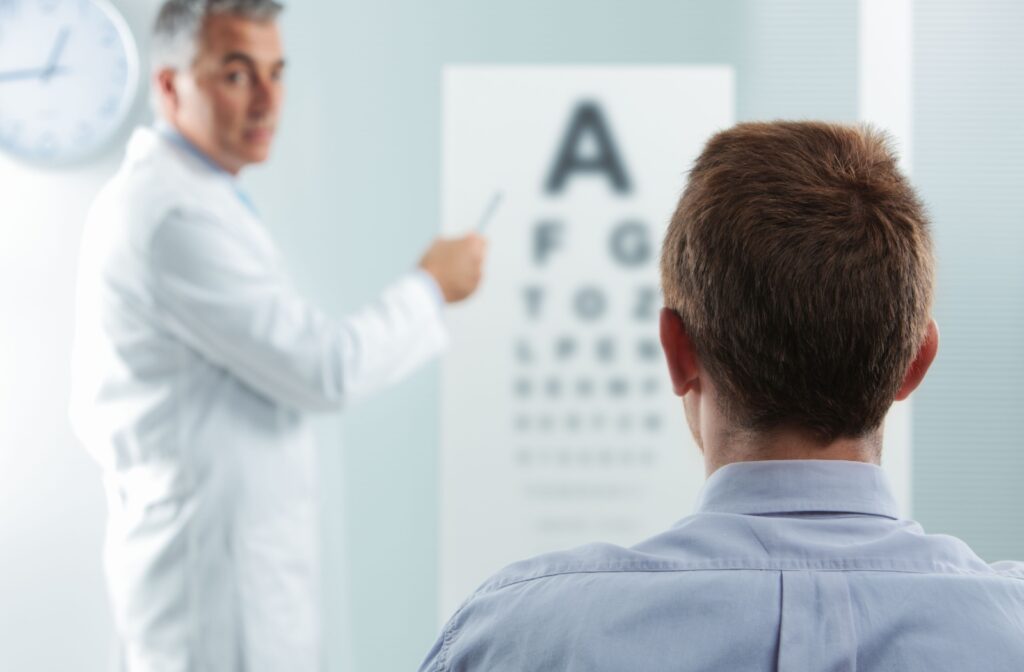
You’ll read letters on charts placed at different distances. This classic test shows how clearly you can see and whether you might need corrective lenses.
The optometrist asks you to look through different lenses and tell them which ones make the letters sharper. This process, called refraction, helps find the right prescription for glasses or contact lenses if you need them.
Your eye doctor also checks how well your eyes work together as a team. Some people can see clearly with each eye separately but struggle when both eyes need to focus on the same object.
Eye Health Checks
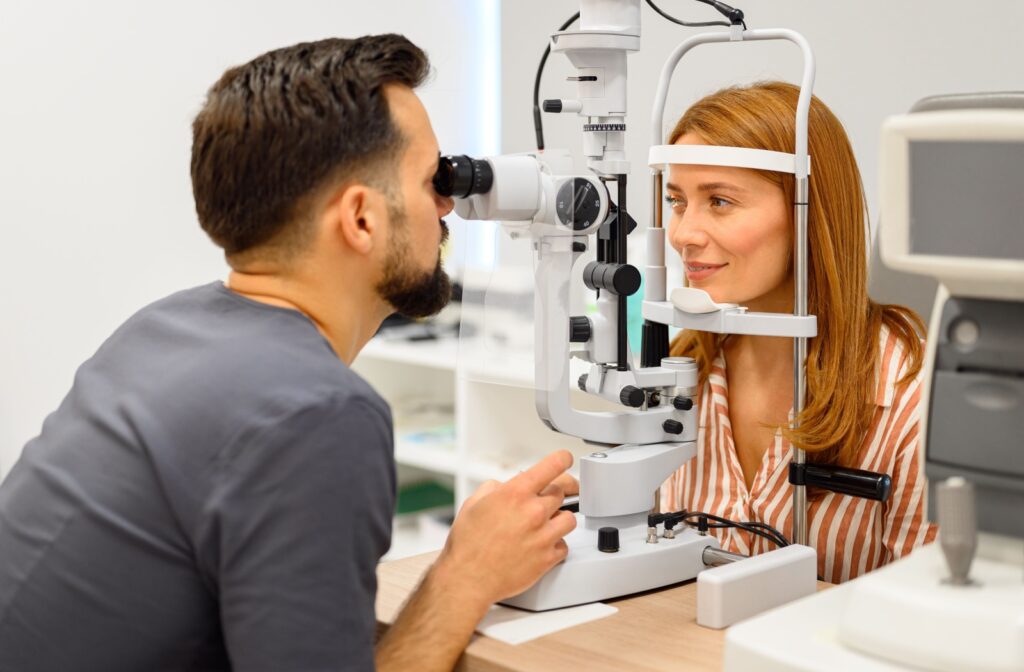
The optometrist can examine the outer and inner parts of your eyes using special lights and tools. They look at your eyelids, cornea, iris, and lens to spot any signs of problems.
A quick, comfortable test measures the pressure inside your eyes. High eye pressure can signal glaucoma, a condition that damages the optic nerve over time if left untreated.
Your eye doctor might also take digital images of your retina, the light-sensitive tissue at the back of your eye. These photos create a baseline record that helps track any changes during future visits.
How Long Will Your Appointment Take?
Plan to spend about 45–60 minutes at the office. This gives enough time for paperwork, all the tests, and a thorough conversation with your eye doctor about the results.
Children’s exams sometimes take a bit longer. Kids need extra time to understand what’s happening, and the optometrist uses age-appropriate tests that work better for younger patients.
Your specific needs affect the total time, too. If you have certain health conditions or need additional testing, the appointment might extend beyond an hour.
What to Bring to Your First Visit
Bring any glasses or contact lenses you currently wear. Your eye doctor needs to see what prescription you’re using now and whether it still works well for your vision.
Pack your insurance card and photo identification. The front desk uses these to verify your coverage and set up your file.
Write down your current medications and any health conditions you manage. This list helps your eye doctor spot connections between your overall health and your eye health, as conditions like high blood pressure and diabetes can affect your vision.
What You Can Learn from Your Eye Doctor in San Diego
Your eye doctor can explain whether you need glasses or contact lenses based on the test results. If you already wear corrective lenses, they’ll tell you if your prescription needs updating.
You’ll get clear information about your overall eye health status. The eye doctor points out anything that needs attention and answers your questions about what they found during the exam.
Before you leave, you’ll know when to schedule your next eye exam. Most people need annual checkups, but your specific situation might call for more frequent visits.
Our Total Vision Mira Mesa team performs thorough eye exams for people of all ages. From children to seniors, everyone gets personalized care that addresses their unique vision and eye health needs. Book your first appointment today and take the next step toward clearer, healthier vision.