

Key Takeaways
- Myopia blurs distance vision, while astigmatism blurs vision at all distances.
- Kids can have both conditions at the same time.
- Neither condition typically goes away on its own without proper care.
- Glasses, contact lenses, and myopia management are all treatment options.
- Regular eye exams help catch changes before they affect your child’s daily life.
Two Common Vision Problems, One Important Distinction
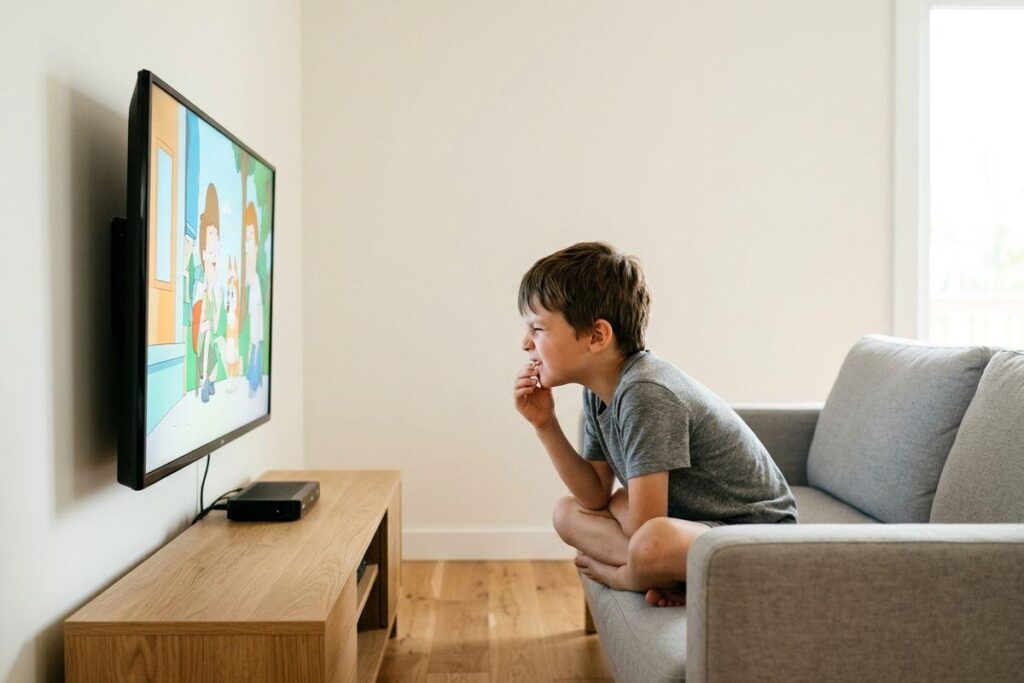
Your child squints at the whiteboard, sits too close to the TV, or complains of headaches after school. You suspect their vision might be off, but figuring out what’s actually going on can be confusing, especially when terms like myopia and astigmatism get thrown around. That’s why Total Vision Mira Mesa offers children’s eye exams designed to sort through exactly this kind of uncertainty.
Both myopia and astigmatism are refractive errors, meaning that the eye has trouble focusing light correctly. However, they affect vision in different ways: myopia affects distance vision, while astigmatism affects vision at every distance.
Understanding the difference can help you get your child the right care sooner.
What Myopia Does to Your Child’s Vision
Myopia, often called nearsightedness, means the eye focuses light in front of the retina instead of directly on it. The result is sharp vision up close but blurry vision at a distance. In other words, your child can read a book just fine but can’t make out what the teacher wrote on the board from across the room.
Signs Your Child Might Be Nearsighted
Kids rarely say “my distance vision is blurry.” What you’re more likely to notice is behavior. Watch for these signs:
- Squinting to see the board, a screen, or anything across the room.
- Moving closer to the TV or holding a tablet right up to their face.
- Frequent headaches or complaints of tired eyes, especially after school.
Does Myopia Get Better on Its Own?
In fact, the opposite is true. Myopia tends to progress during the childhood and teenage years, while the eyes are still growing. But that doesn’t mean that nothing can be done. Your eye doctor can track how your child’s prescription changes over time and put a plan in place to help slow that progression.
What Astigmatism Does to Your Child’s Vision
Astigmatism happens when the cornea or lens has an irregular curve instead of a smooth, rounded shape. This causes light to scatter in multiple directions rather than focusing on a single point. Unlike myopia, astigmatism doesn’t just blur things far away; it causes blurry vision at any distance.
Signs Your Child Might Have Astigmatism
Astigmatism can be harder to spot because the blurriness isn’t limited to one situation. Common symptoms of astigmatism include:
- Vision that looks blurry or shadowy at any distance
- Lights that appear to streak, flare, or have a halo around them at night.
- Eye strain or fatigue after reading, drawing, or other close-up tasks.
Can a Child Outgrow Astigmatism?
Some children do see astigmatism stabilize around ages 2–3, but it rarely disappears on its own. Regular monitoring with an eye exam helps track these shifts before they start affecting how your child sees and learns.
Treatment Options for Myopia and Astigmatism in Kids
Glasses and Contact Lenses
For most kids, glasses are the first step. Toric lenses, a specific type of lens design, can correct both myopia and astigmatism at the same time. As your child gets older, contact lenses may become an option. Some specialty contacts are designed to do double duty, correcting vision while also helping to slow myopia progression. Learning more about contact lens options and fittings options can help you find the right fit for your child’s needs.
Myopia Management for Growing Eyes
If your child’s prescription keeps getting stronger, myopia control may be worth discussing with their eye doctor. Options can include prescription eye drops that help slow elongation of the eye, as well as specialty contacts worn overnight that gently reshape the cornea while your child sleeps. These approaches tend to be most effective when started while the eyes are still developing, which is why regular exams are so important.
Why Regular Eye Exams Matter for Kids
Children are remarkably adaptable. If your child has never seen clearly, they may not know their vision is off at all. They’re not holding out on you. They genuinely think everyone sees the world the way they do.
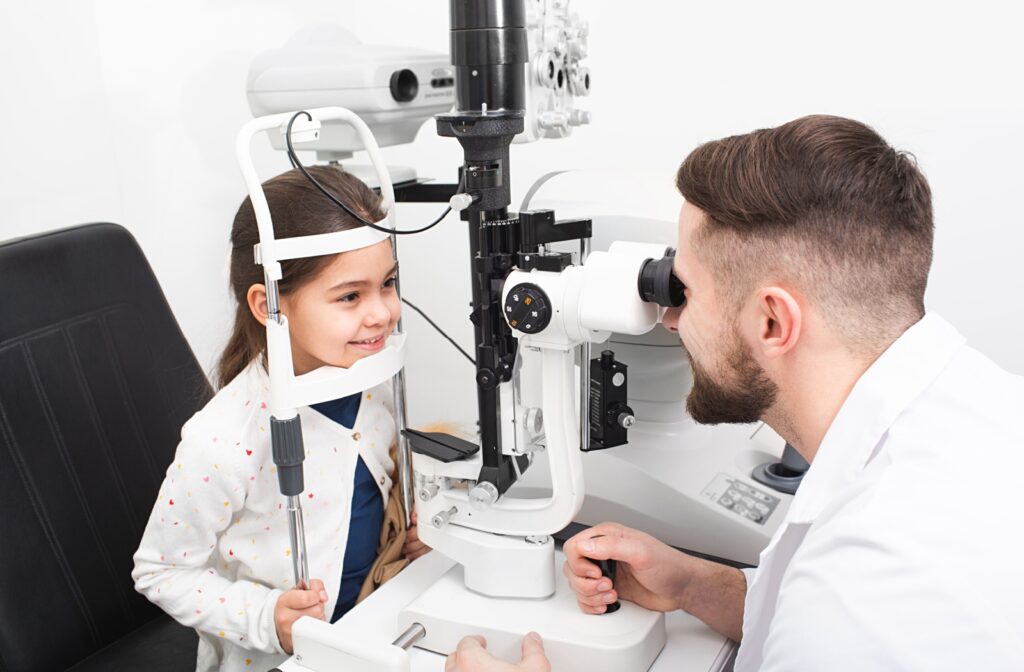
That’s why routine eye exams are so valuable. A thorough exam can catch myopia, astigmatism, or both before your child starts struggling in school or falling behind. As your eye doctor in San Diego, we can build a care plan that fits your child’s age, prescription, and lifestyle. If you’re wondering when to start, our guide on when your child should have their first eye exam is a helpful place to begin.
At Total Vision Mira Mesa, our team works with children at every stage, from early childhood through the teen years, to keep their vision on track. Book your child’s next eye exam today and give them a clearer view of everything ahead.