


Key Takeaways
- A stye is a red, tender bump on the eyelid edge, usually from a blocked oil gland.
- Research hasn’t shown a direct link between stress and styes, but stress and poor sleep may lower your body’s defenses.
- Busy weeks can lead to habits like eye rubbing, skipped handwashing, and sleeping in makeup.
- Warm compresses can help a stye heal at home.
- See an eye doctor if a stye persists, spreads, or affects your vision.
You’re dealing with a stressful week when you notice a sore, swollen bump along your eyelid. Could stress be to blame?
While stress doesn’t directly cause eye styes, it may contribute to factors that increase your risk, such as changes in immune function and everyday habits. Understanding the connection between stress and your eye health can help you recognize what may be contributing to eyelid irritation and how to care for it.
What Is an Eye Stye?
A stye is a small, sore bump on the edge of your eyelid. It forms when an oil gland near your lashes gets infected, usually by bacteria. It can look like a pimple and sting when you blink.
Common Signs of a Stye
You may notice these signs as a stye forms:
- A red, tender bump appears on the edge of your eyelid.
- Your eye feels watery or gritty, like something is stuck in it.
- Crust forms along your eyelid.
Stye or Chalazion
A chalazion is another eyelid bump, and the two can look alike at first. Here’s how they differ:
- A stye is an oil gland infected, usually by bacteria.
- A chalazion is a clogged oil gland without an infection.
- A chalazion often feels less sore and sits farther back on the eyelid.
How Stress and Styes May Be Linked
Research hasn’t shown a direct link between stress and styes. However, stress may lower your body’s defenses against infection. Some eye doctors link styes to stretches of high stress and poor sleep.
Sleep and Your Immune System
Poor sleep may weaken your immune system. Tired eyes also feel heavy and itchy, so you may rub them more often.
Late nights add another risk. When you’re exhausted at bedtime, it’s easy to skip washing off your mascara.
Busy Weeks and Daily Habits
A packed schedule can quietly change how you care for your eyes. During a hectic week, you might notice these habits:
- You touch your face and eyes more often.
- You skip handwashing before touching your eyes.
- You reach for old or expired makeup.
Other Common Risk Factors for Styes
Stress is only part of the picture. Bacteria from your hands, towels, or pillowcases can reach your eyelids. Skin conditions like rosacea can also play a role, and so can blepharitis, which is ongoing inflammation of the eyelids.
Styes in Kids
Kids get styes for the same reasons adults do, including bacteria, eye rubbing, and unwashed hands. Teaching your child to wash their hands before touching their eyes can help.
If your child gets styes often, a children’s eye exam lets the eye doctor take a closer look.
Makeup and Contact Lens Habits
A few simple habits can help keep your eyelids healthy:
- Remove all makeup before bed, and keep your makeup to yourself.
- Replace your makeup every 3 to 6 months.
- Clean your contact lenses, wear them only as long as directed, and replace them on the schedule your eye doctor recommends.
How to Care for and Prevent a Stye
Warm Compress Tips
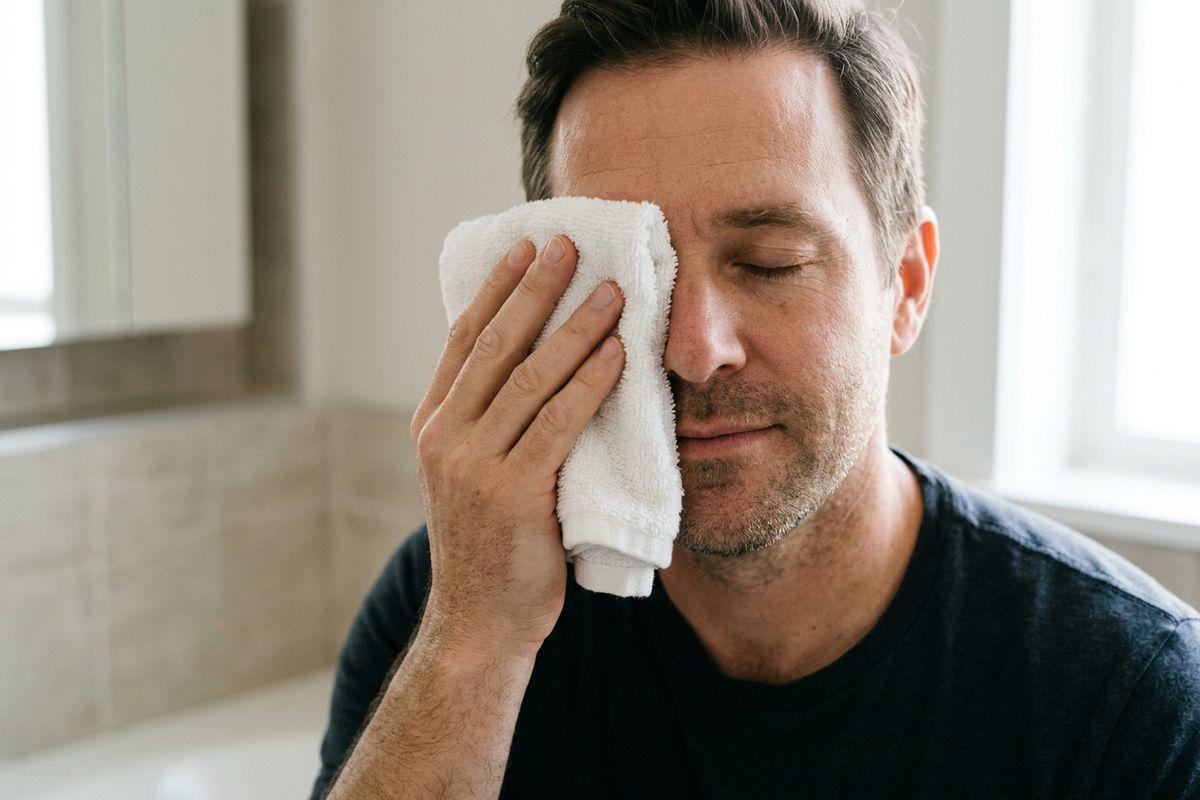
A warm compress is a simple way to care for a stye at home. Try these steps:
- Place a clean, warm, damp cloth on your closed eyelid.
- Hold it there for 10 to 15 minutes, 3 to 4 times a day.
Many styes improve within about a week with this routine.
What to Avoid
While your stye heals, give your eyelid a break with these habits:
- Leave the stye alone instead of squeezing or popping it.
- Skip eye makeup and contacts until it heals.
- Keep unwashed hands away from your eyes.
Simple Ways to Lower Stress
Small changes at home can support your eyes and your mood. Consider these ideas:
- Aim for 7 to 8 hours of sleep each night.
- Try meditation, yoga, or slow breathing exercises.
- Change your pillowcase often.
When to See an Eye Doctor in Mira Mesa
Signs to Book a Visit
Home care helps many styes, but some need a closer look. Book a visit if you notice any of these signs:
- The stye persists or worsens with home care.
- Redness or swelling spreads to your cheek or face.
- Your vision changes or styes keep coming back.
How Your Optometrist in Mira Mesa Can Help
Your optometrist can examine your eyelid and confirm whether you have a stye or a chalazion. The eye doctor can also check for blepharitis, dry eyes, or other possible causes.
If redness or swelling spreads, the practice offers emergency eye care so you can get answers quickly.
Book Your Eye Exam
A sore eyelid can throw off your whole day. The team at Total Vision Mira Mesa can look at your eyelids, talk through your daily habits, and help you plan next steps. The practice is open Saturdays, which can make a visit easier to fit into a busy week.
Call today to book an eye exam with an eye doctor in Mira Mesa, San Diego.